

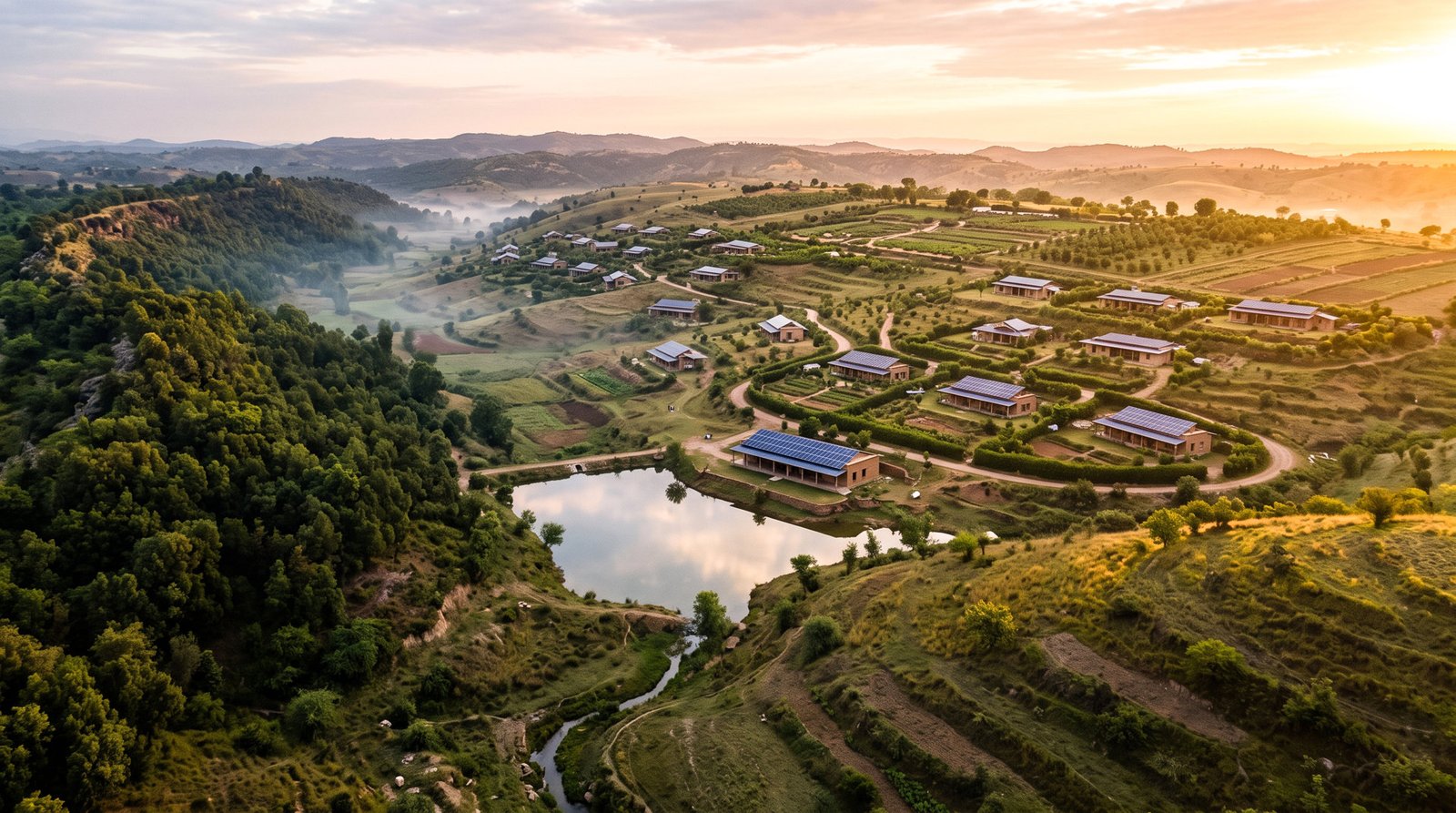
Journal
Stories from
the valley.
How a year passes on five kanal, how the systems work, and what it is like to live here. Written for families who are thinking about it.
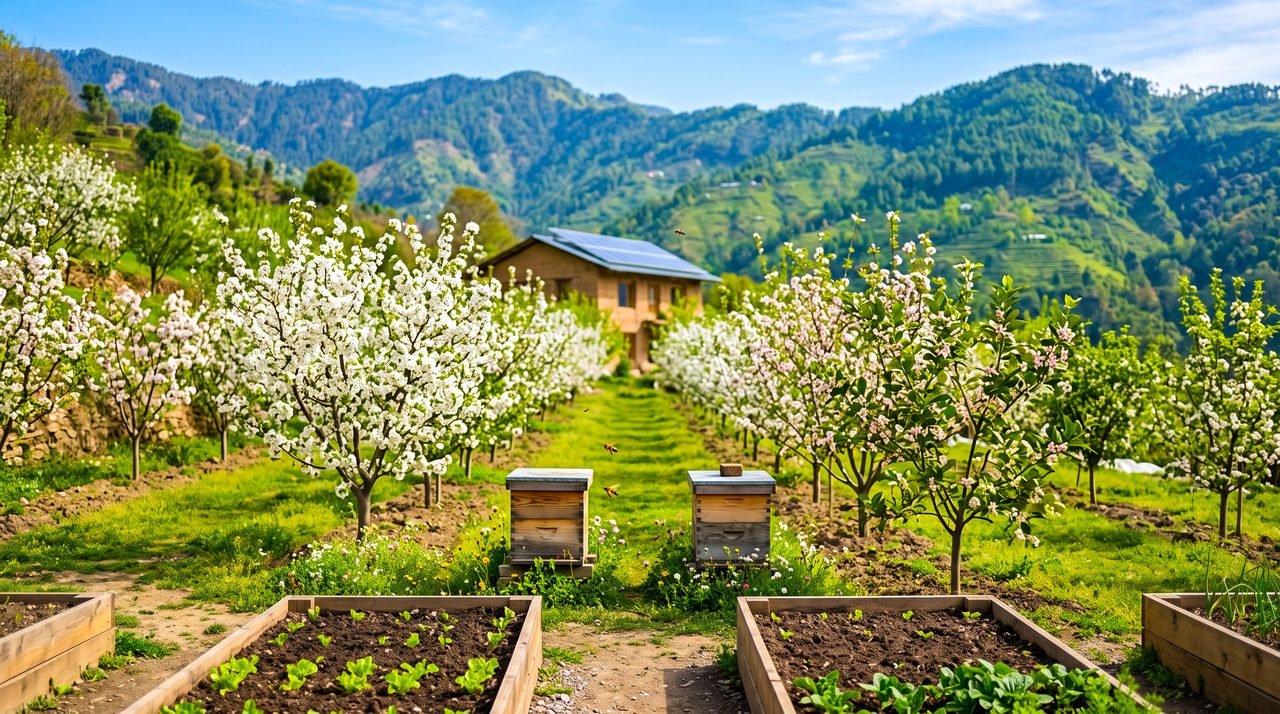
Spring in the valley: blossom and bees
The orchard flowers, the hives wake up, and the first greens go into the beds. What March and April look like on five kanal.
Read the story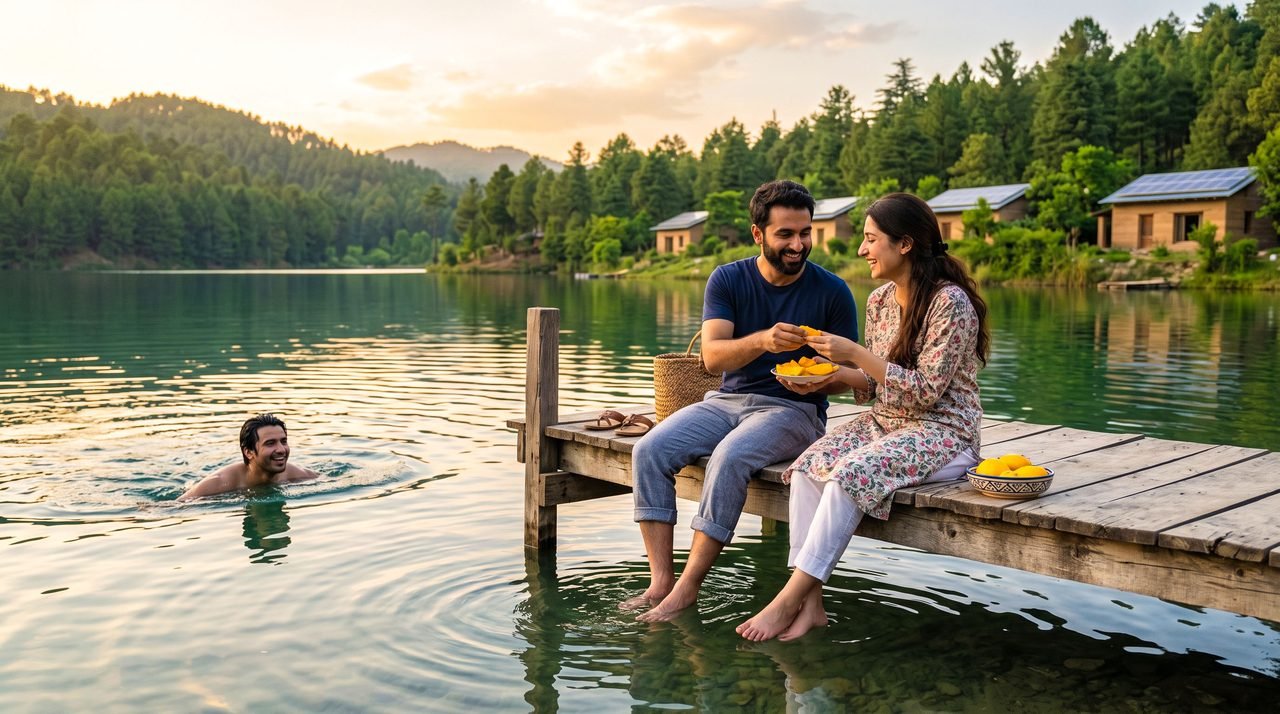
Summer: lake days
Long evenings by the water, mangoes from the market, a swim before dinner. How an off‑grid home stays cool in June.
Read the story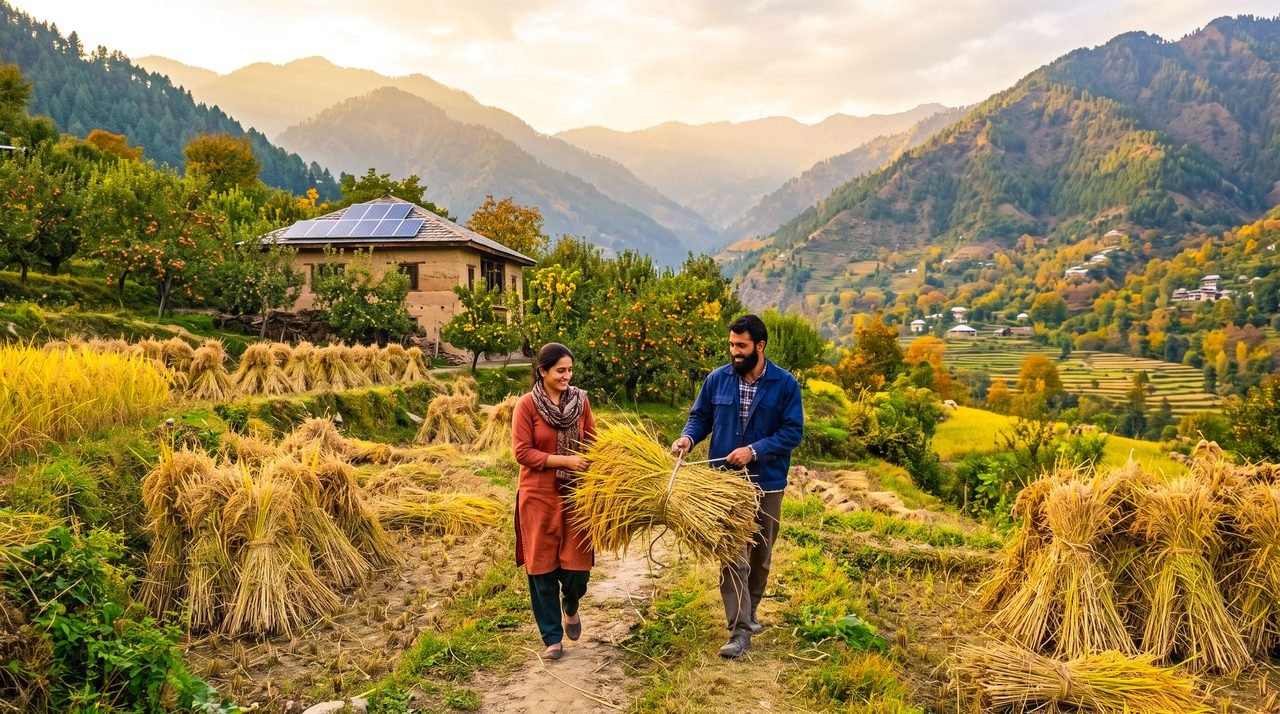
Autumn: harvest
Rice comes in, wheat goes down, the goats are fat. Long tables at the learning centre.
Read the story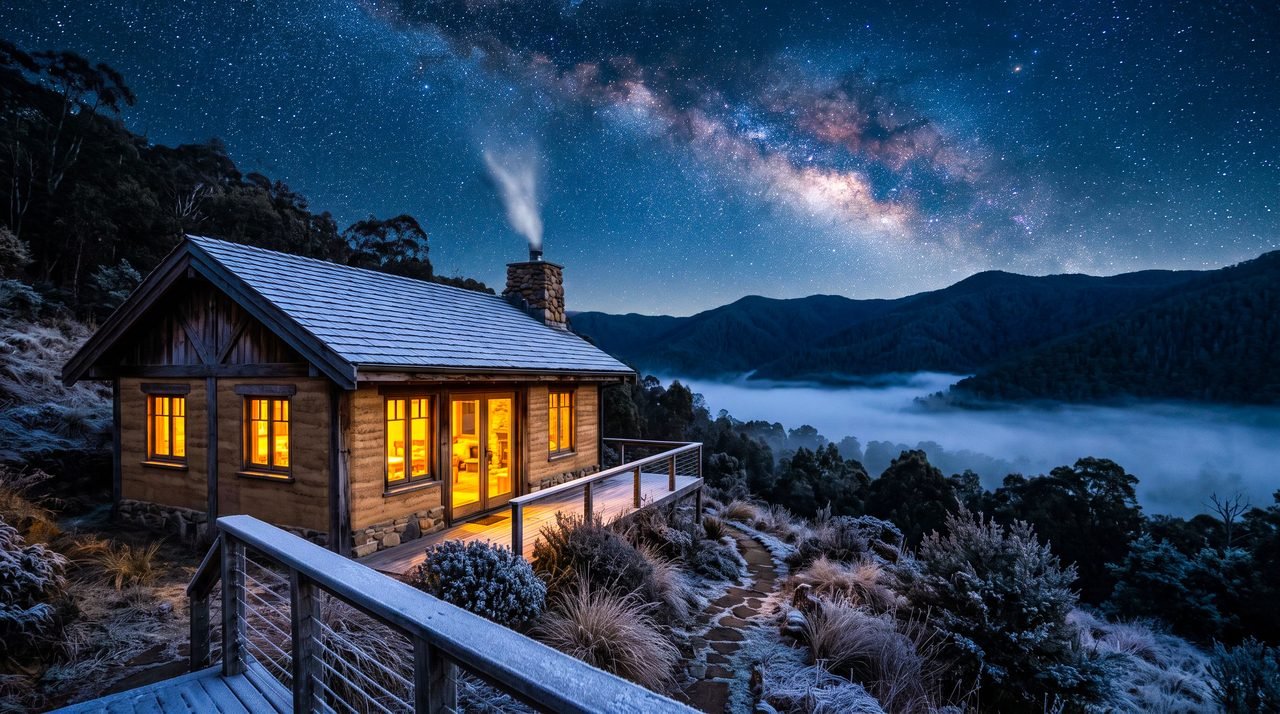
Winter: fires and stars
Mist in the valley floor, thick walls holding the warmth, and the clearest skies of the year.
Read the story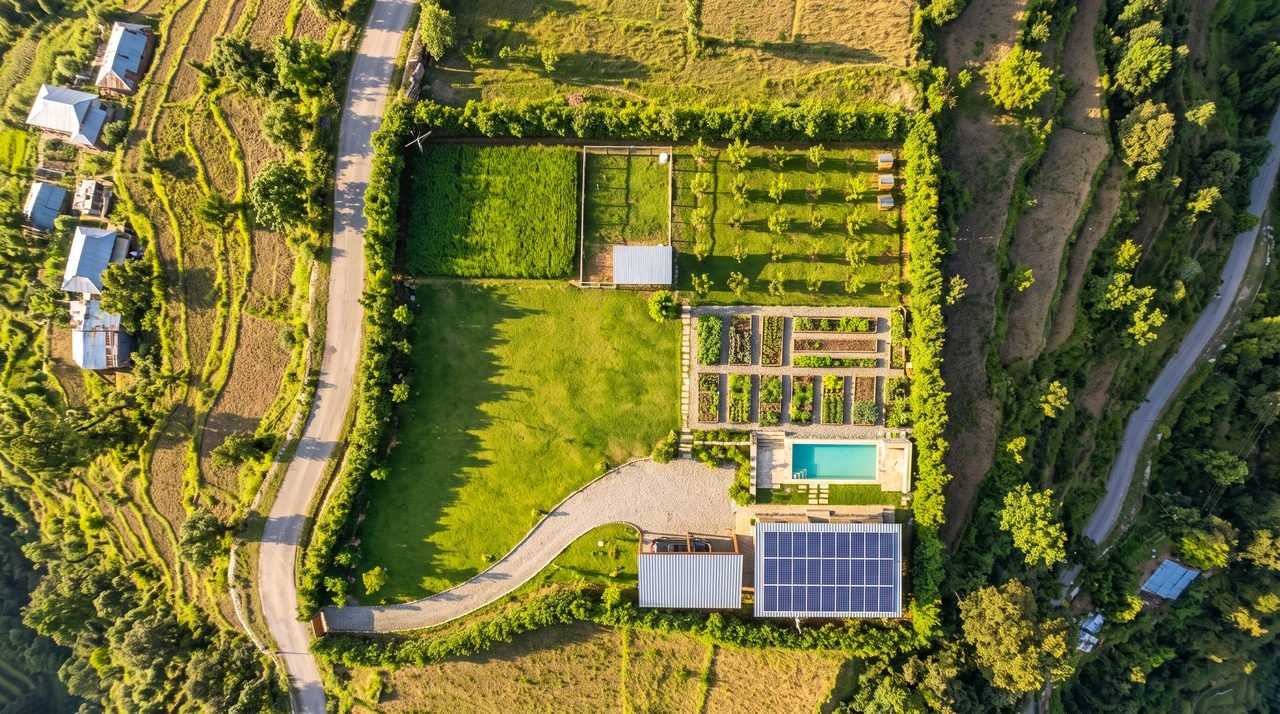
Why five kanal, and why only ten marla of it is built
Five kanal is more than half an acre. Capping construction at ten marla is the decision that makes everything else possible.
Read the story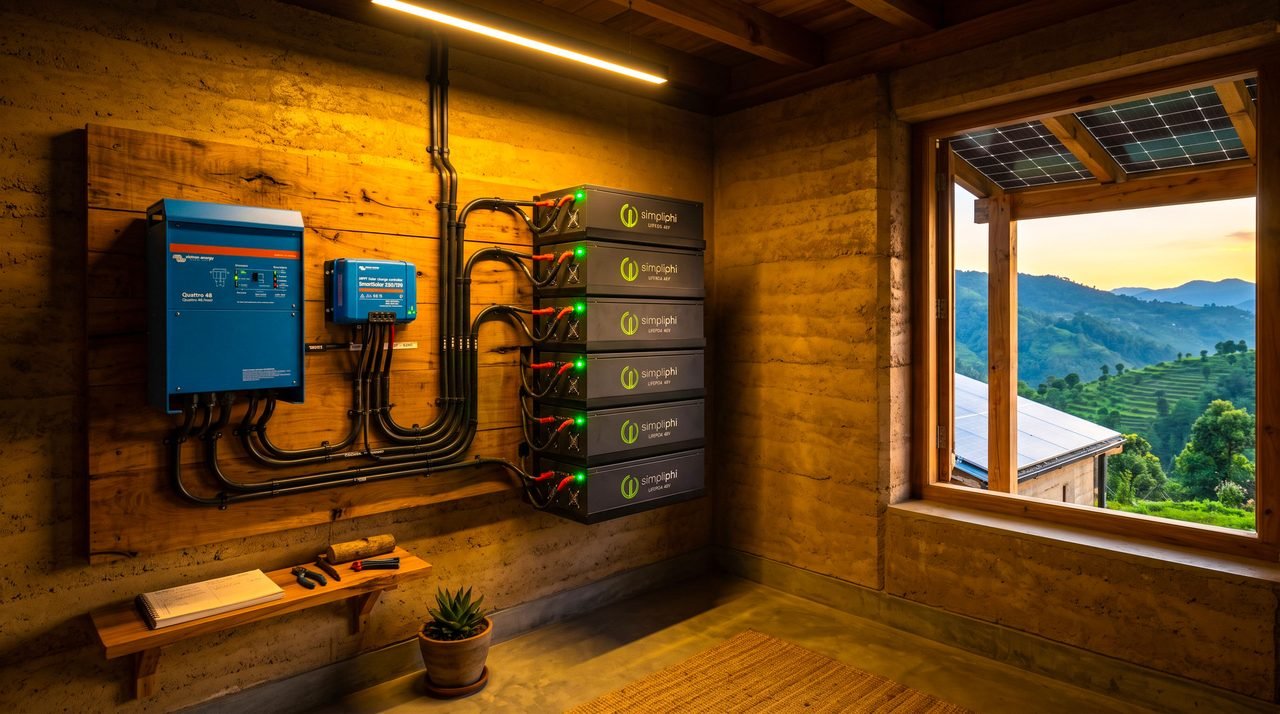
Off‑grid power: how the sun runs a Zen Valley home
Solar arrays, battery storage and passive design. What off‑grid electricity actually looks like day to day.
Read the story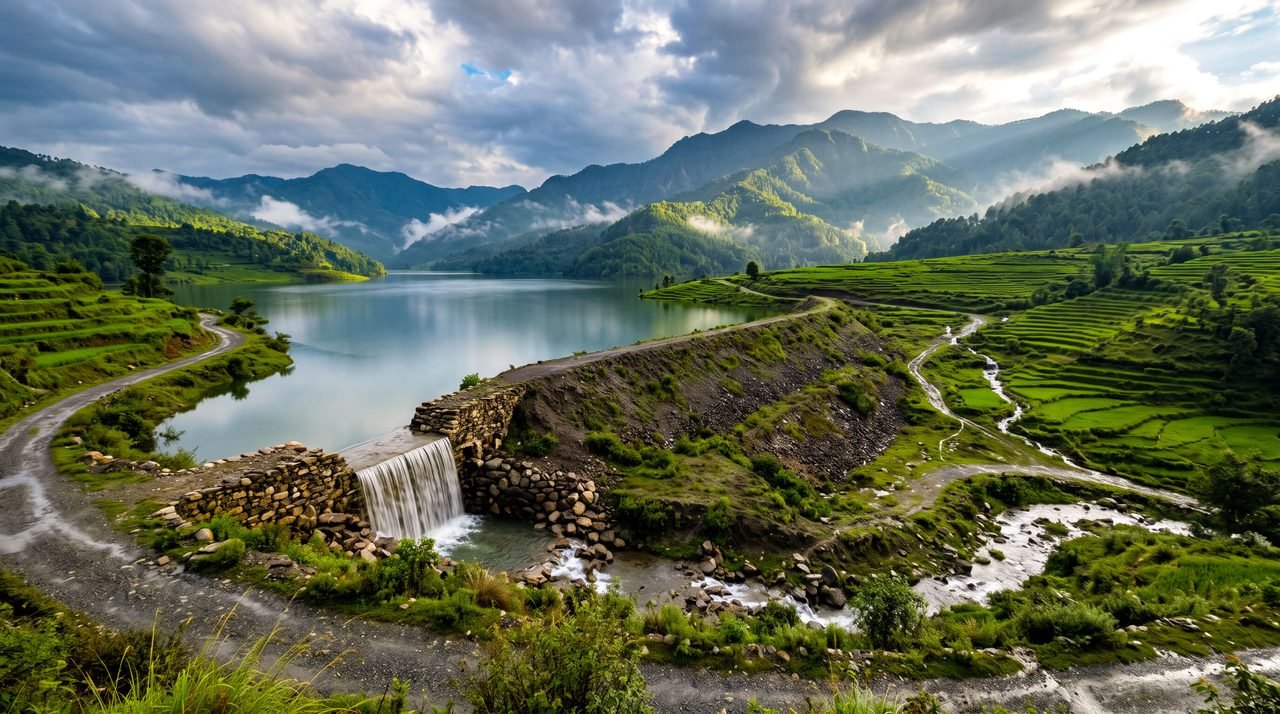
Rainwater and the lake: how Zen Valley keeps its water
Every roof, road and field sends its rain downhill. The community dam holds it. Here is how the water system works.
Read the story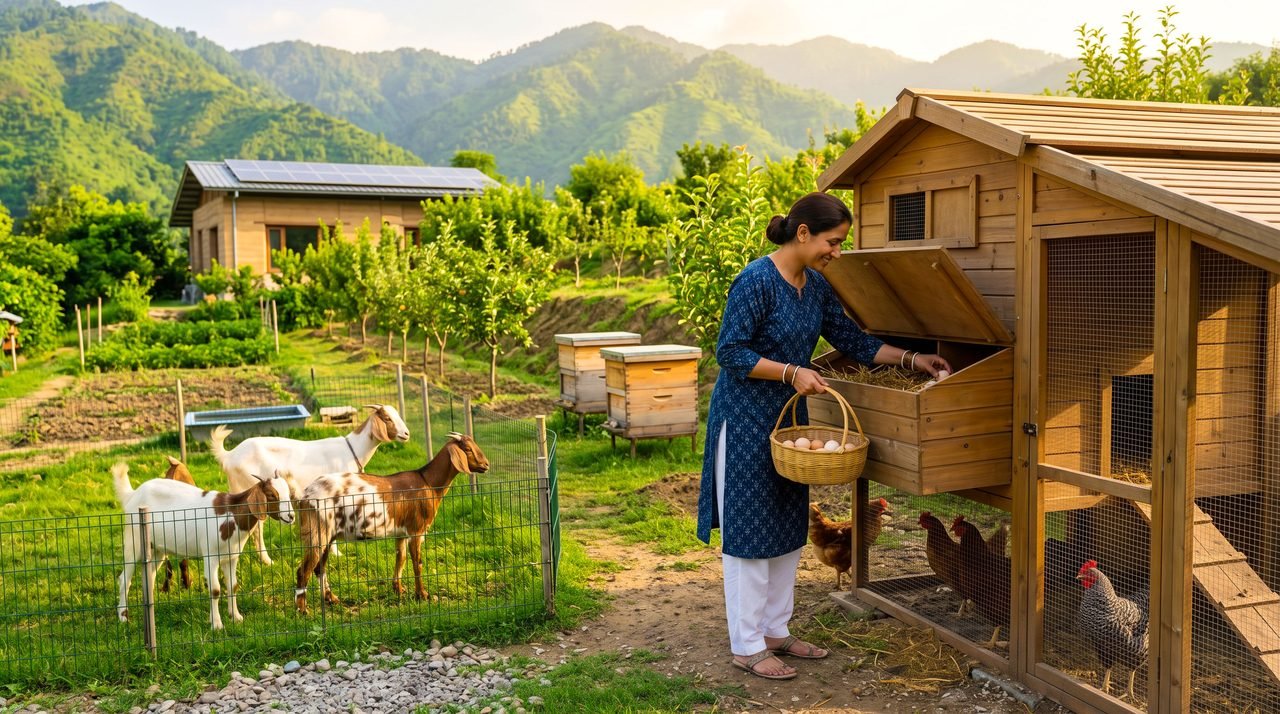
Goats, hens and honey: animals on five kanal
Four to six goats, a dozen hens and three hives. What keeping animals on a Zen Valley plot really involves.
Read the story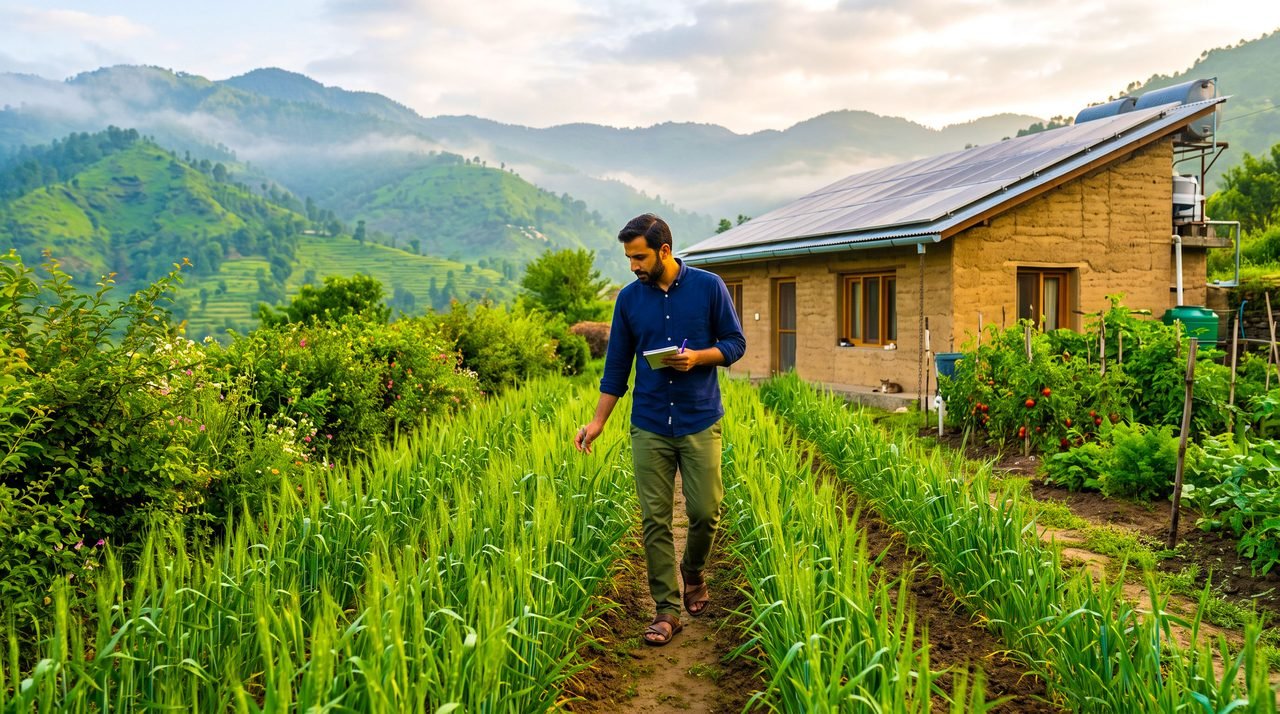
Wheat and rice on half an acre
A household grain patch is not a farm. It is a few hundred square feet that feeds a family through the year.
Read the story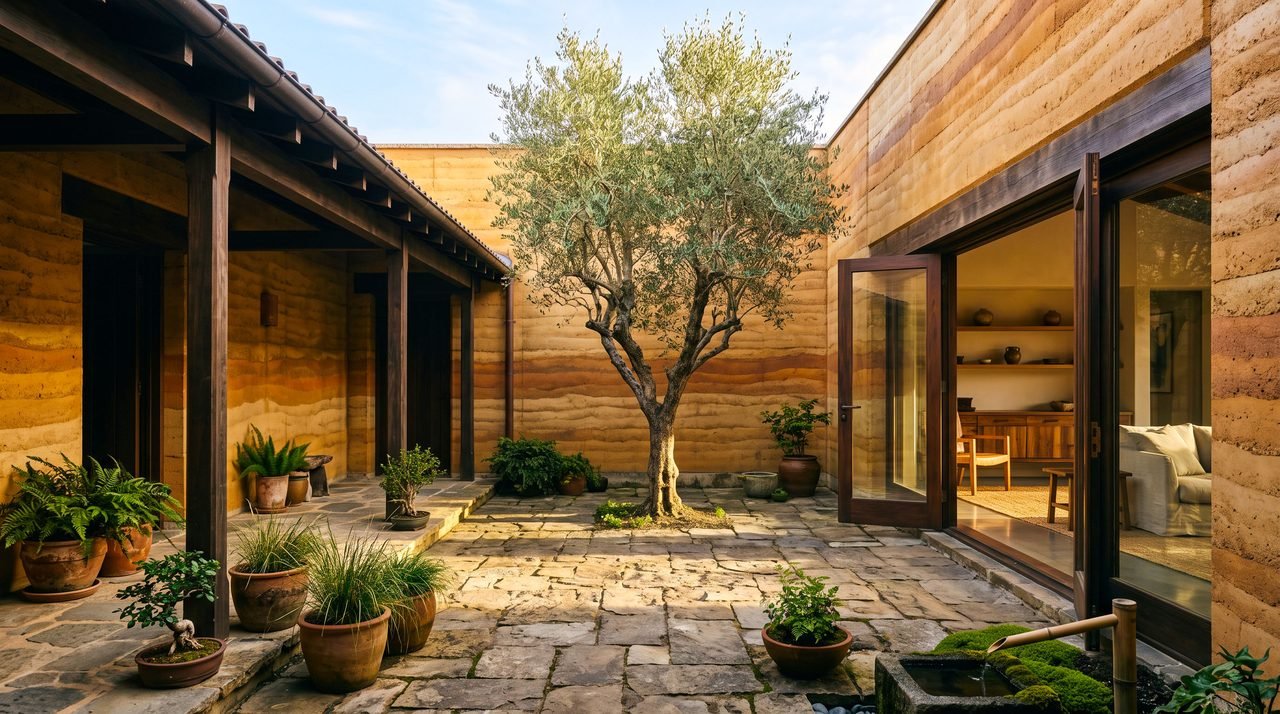
Building with earth: modern comfort, traditional walls
Thick walls, deep verandas, inner courtyards and hidden systems. How a Zen Valley home carries two memories.
Read the story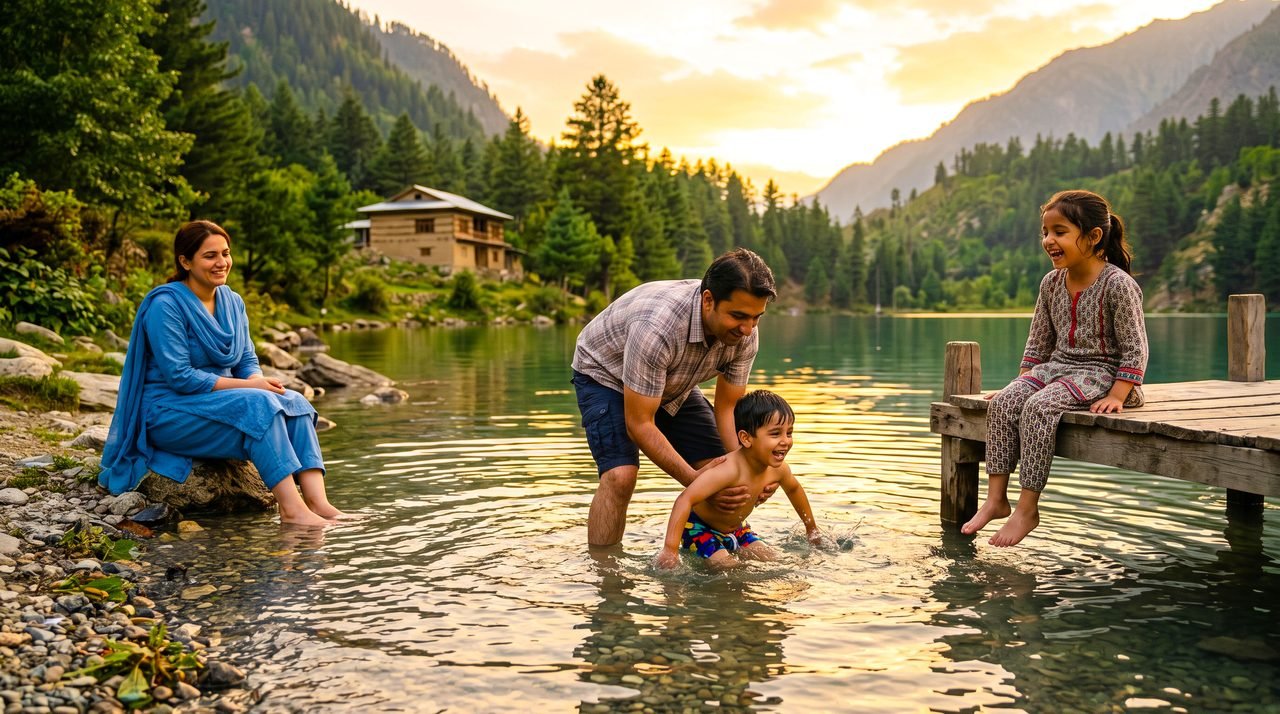
Children grow up here
No through‑traffic, no screens in the orchard, a lake to learn to swim in. What childhood looks like at Zen Valley.
Read the story
Come and see the land.
Message us and we will arrange a visit, or answer your questions first.